
Quantum
for the next generation
Light Rider delivers quantum computing, secure communications, and intelligent software built for the real world.
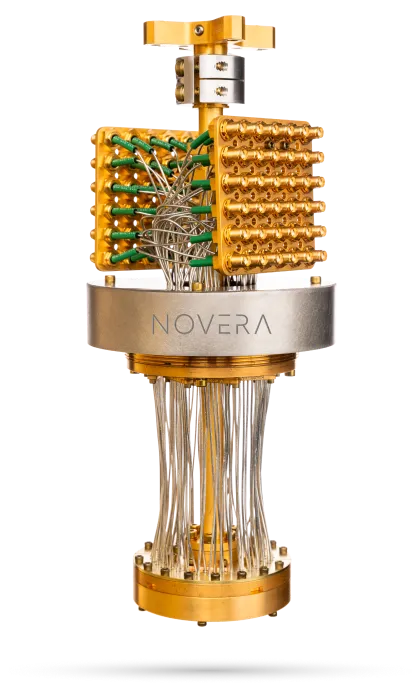
GEN 1
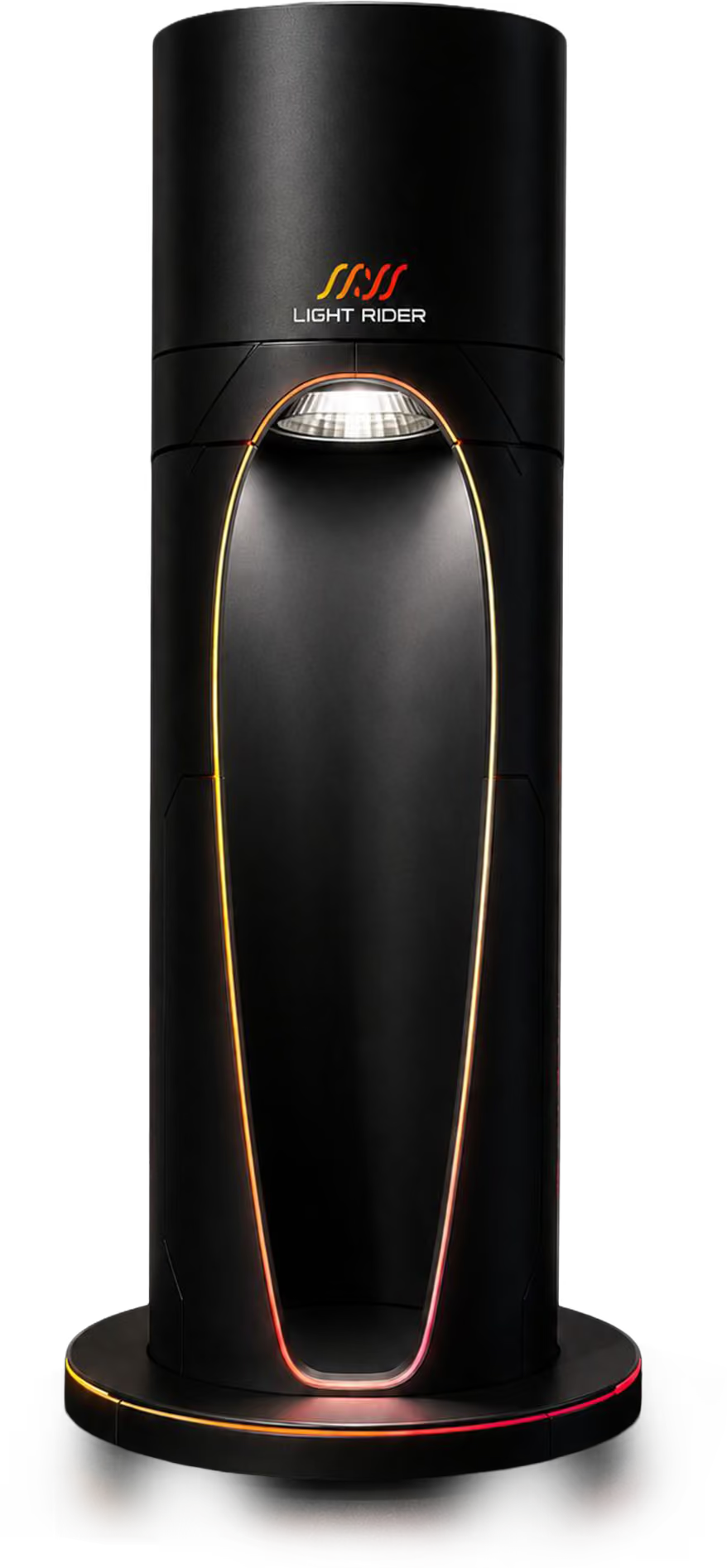
GEN 2
Light Rider Cloud.
Run your own quantum jobs on state of the art simulators and QPUs, access Lightrider’s services & applications, or request custom applications.
Get started with pay-as-you-go compute credits.
New users instantly unlock a 1K-credit bonus upon their first purchase.
Hardware that generates trust. Software that enforces it.
Novera QPU
Quantum light
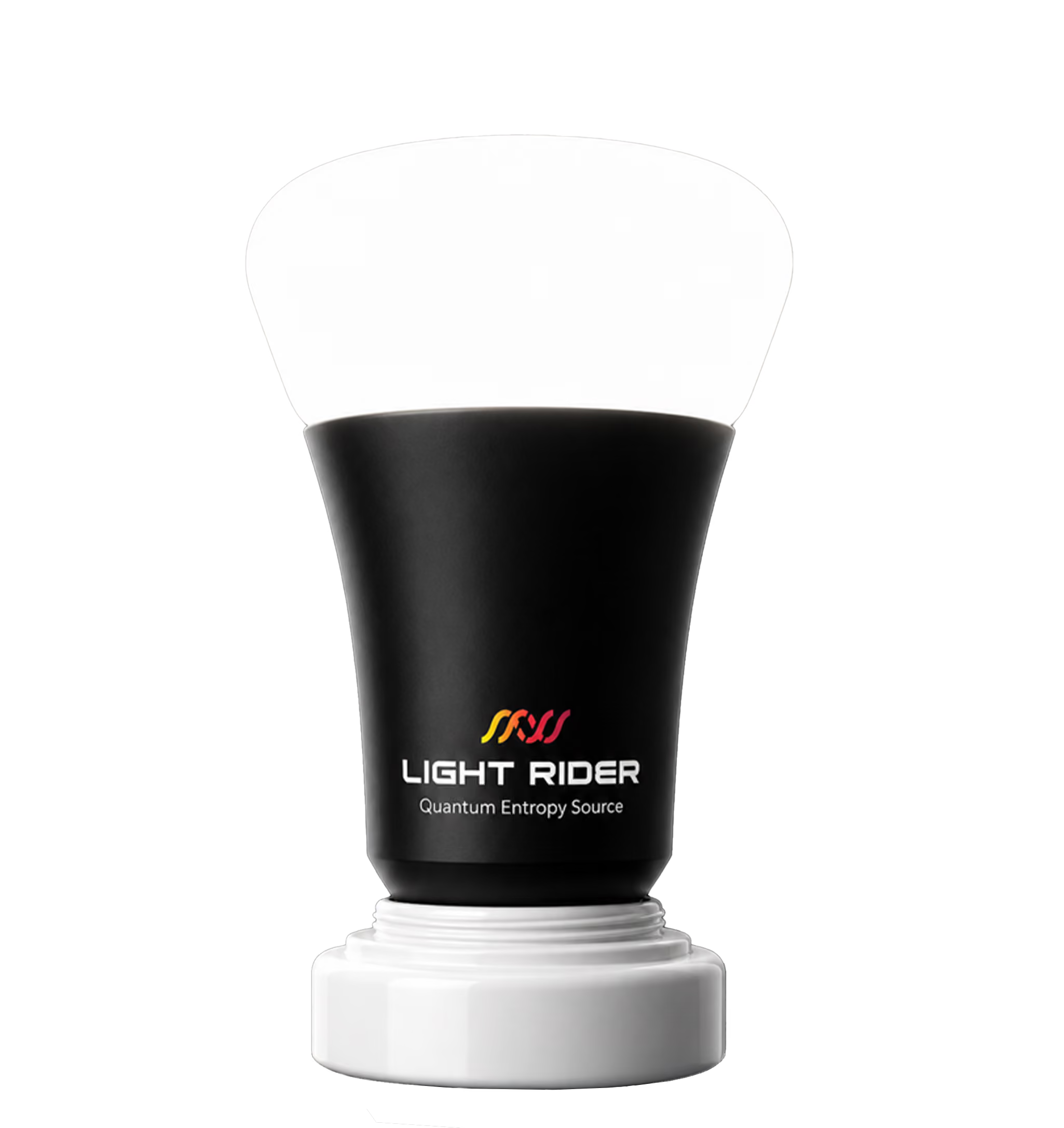
Entropy as a service
Digital QKD
Post-quantum cryptography

.avif)






.avif)





Every industry has a quantum problem. Most haven’t named it yet.
AI & synthetic data
Financial modeling
Cyber & SIGINT
Crypto mining
Engineering the Networks of Tomorrow, Today
"Harvest now, decrypt later" (HNDL), is a cybersecurity threat where adversaries collect encrypted data today to decrypt it in the future, once powerful enough quantum computers are developed. This is a current risk because the data, once captured, is vulnerable to future decryption, even if current encryption is strong. The strategy relies on the assumption that classical encryption methods will be breakable by post-quantum computers.
Networks immune to anticipation and prediction operate on quantum principles that make their core signals fundamentally unknowable in advance. Every key, state, and transmission is generated in real time through quantum processes that cannot be forecasted, modeled, or reconstructed by any external observer. Even an adversary with perfect predictive capability would find no future state to anticipate, because the information does not exist until the moment it is created and measured. This architecture ensures communication pathways that remain secure against present, future, and even hypothetical predictive threats.
Safeguards that remain secure across all timelines, rely on quantum mechanics to ensure that information is never fixed, predictable, or revealable before its intended moment. Quantum states cannot be cloned, rewound, or pre-observed, which means that even an adversary with the ability to look ahead would encounter only randomness and collapse the data by attempting to measure it. These defenses maintain their integrity regardless of when or how a threat emerges, creating a communication environment that is resilient not just to today’s attacks, but to any scenario that could unfold in the future.
Data protected from threats that do not exist yet, is secured by quantum processes that generate information in real time, leaving nothing static for an adversary to analyze or anticipate. Because quantum states cannot be copied or measured without detection, any future attack method would fail before it begins. This creates a security posture that adapts instantly and naturally to unknown risks, ensuring that information remains safe even as new technologies and threat vectors emerge.
Get in touch
capabilities into your organization